

The Cheapest Used Cars to Insure in NYC Cost Under $1,200 Yearly
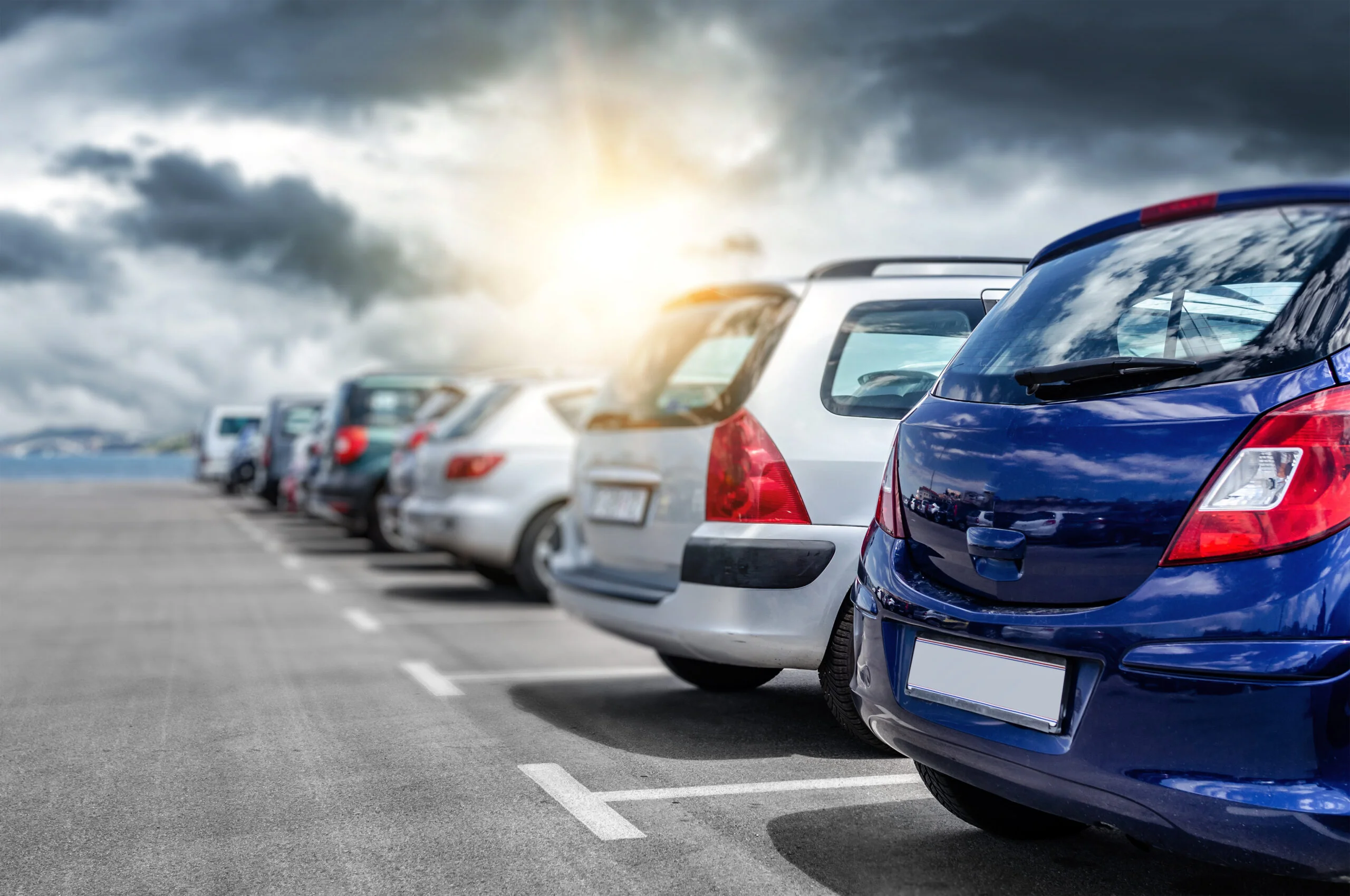
New York City drivers pay the highest auto insurance premiums in the country, averaging $3,500 to $4,200 annually depending on borough and driving record. But insurance cost is not uniform across all vehicles. The right used car can cut that figure to under $1,200 per year, even with the same coverage and ZIP code. The difference comes down to repair costs, theft rates, and safety ratings that insurers price into every model.
This post identifies specific used models that consistently rank in the lowest insurance brackets for NYC drivers. These are not luxury cars or stripped-down penalty boxes. They are practical sedans, compact SUVs, and minivans with strong safety records, low theft appeal, and inexpensive parts. If you live in Queens, Brooklyn, or the Bronx and insurance is eating your budget, these models deliver measurable savings without sacrificing reliability.
Why Some Used Cars Cost Half as Much to Insure
Insurance companies calculate premiums using three primary factors tied to the vehicle itself: comprehensive claim frequency (theft and vandalism), collision repair costs, and injury claim severity. A car that is rarely stolen, is cheap to fix, and protects occupants well in crashes costs less to insure, period.
In NYC, theft rates matter more than in suburban markets. Models with high theft appeal (older Honda Accords, certain pickup trucks) carry higher comprehensive premiums. Conversely, minivans and compact crossovers with standard anti-theft systems and low resale value for parts see lower theft rates and lower premiums. Repair costs also scale with parts availability: a 2015 Honda CR-V shares components with millions of units on the road, so body shops stock parts and labor hours stay low. A less common European model might need special-order parts and specialist labor, doubling the insurer’s payout and your premium.
Safety ratings from IIHS and NHTSA directly influence injury claim costs. A car with strong crash-test scores and standard stability control reduces the likelihood of severe injuries, which reduces the insurer’s liability exposure. That translates to lower bodily injury premiums for you.
Five Used Models That Cost Under $1,200 Annually to Insure in NYC
| Model | Year Range | Typical Annual Premium (NYC) | Key Insurance Advantage |
|---|---|---|---|
| Honda Odyssey | 2014-2018 | $950-$1,150 | Low theft rate, excellent crash scores, family-vehicle discount |
| Subaru Outback | 2015-2019 | $1,000-$1,180 | Standard all-wheel drive reduces winter claims, strong safety ratings |
| Mazda CX-5 | 2016-2019 | $1,050-$1,200 | Low theft appeal, affordable OEM parts, good crash-test results |
| Honda CR-V | 2015-2018 | $1,080-$1,190 | High parts availability, low injury claim frequency, common model |
| Toyota Sienna | 2015-2019 | $980-$1,140 | Minivan class discount, low theft rate, reliable safety systems |
These figures assume a clean driving record, a 30-year-old driver, and full coverage (100/300/100 liability, $500 deductibles) in a Queens ZIP code. Your actual premium will vary by age, driving history, and exact address, but the relative ranking holds. A 2017 Odyssey will cost less to insure than a 2017 BMW X3 or Jeep Wrangler in every scenario.
The Honda Odyssey and Toyota Sienna benefit from the minivan discount: insurers know these vehicles are driven by families, not teenagers or high-risk drivers, and crash data bears out lower claim frequency. The Subaru Outback’s standard all-wheel drive reduces winter-weather claims, a real factor in NYC’s icy February streets. The Mazda CX-5 and Honda CR-V combine moderate theft rates with widely available parts, keeping both comprehensive and collision premiums low.
Model Years and Trim Levels That Maximize Savings
Within each model, certain years and trims offer better insurance value. For the Honda CR-V, the 2015-2017 model years hit the sweet spot: old enough that collision coverage costs drop (insurers pay out less on a $12,000 vehicle than a $20,000 one), but new enough to include standard stability control and side airbags. Avoid the 2018 refresh if insurance is your priority; the newer model costs 8% to 12% more to insure with no meaningful safety upgrade.
Trim level matters less than you might expect, but there are exceptions. The Subaru Outback 2.5i (base four-cylinder) costs slightly less to insure than the 3.6R (six-cylinder) because repair labor is simpler and the vehicle is lighter, reducing injury severity in frontal crashes. The difference is modest, around $40 annually, but it compounds over ownership. Similarly, the Mazda CX-5 Sport (base trim) costs less than the Grand Touring because the latter’s leather seats and premium audio increase comprehensive claim payouts if the car is vandalized or flooded.
For the Toyota Sienna, stick with the LE or XLE trims from 2015-2019. The Limited trim adds power doors and navigation that raise theft appeal slightly and increase comprehensive premiums by $60 to $80 per year. The LE offers the same crash protection and drivetrain for less money upfront and lower ongoing insurance costs.
What to Avoid if Insurance Cost Matters
Certain vehicle types and features reliably increase NYC insurance premiums. Performance sedans, even used ones, carry high collision and liability premiums because insurers correlate horsepower with claim frequency. A 2016 Dodge Charger R/T costs 40% to 50% more to insure than a 2016 Honda Accord despite similar size and safety ratings. Rear-wheel-drive sports sedans (BMW 3 Series, Infiniti Q50) also see higher winter collision claims in NYC, pushing premiums up.
High-theft models remain expensive to insure regardless of age. Older Honda Accords (pre-2016 without push-button start) and certain pickup trucks (Ford F-150, Chevrolet Silverado) have elevated theft rates in the five boroughs, which inflates comprehensive premiums. If you park on the street in Brooklyn or the Bronx, avoid these models entirely; the insurance penalty erases any purchase-price savings.
Luxury badges add 20% to 30% to premiums even when the underlying vehicle is mechanically similar to a non-luxury counterpart. A 2017 Acura RDX costs more to insure than a 2017 Honda CR-V despite sharing a platform and engine, because Acura parts carry higher list prices and repair shops charge luxury-brand labor rates. If you are shopping for affordable insurance, skip the premium brands and focus on mainstream Honda, Toyota, Mazda, and Subaru models.
How to Lock in the Lowest Rate on Your Next Used Car
Before you finalize a purchase, call your insurance agent (or use an online quote tool) and request a premium estimate for the exact year, make, model, and VIN you are considering. Premiums vary by individual vehicle history; a car with a prior total-loss claim or salvage title will cost more to insure even if it is the same model as a clean-title unit. Get the quote in writing and factor it into your total cost of ownership.
If you are comparing two similar vehicles and insurance is a priority, ask for quotes on both. The difference between a 2016 Mazda CX-5 and a 2016 Nissan Rogue might be $180 per year in your ZIP code, which is $900 over five years of ownership. That is real money that could go toward maintenance, parking, or financing a slightly newer vehicle.
Bundle your auto policy with renters or homeowners insurance if you carry those policies. Most insurers offer a 10% to 15% multi-policy discount, which stacks with the low-cost vehicle discount. Pay your premium in full annually rather than monthly if cash flow allows; insurers charge 3% to 5% more for monthly installment plans, and that fee compounds over time. Finally, maintain a clean driving record. A single at-fault accident or moving violation in NYC can raise your premium by 25% to 40% for three years, overwhelming any savings from choosing a low-cost vehicle.
Finding Affordable Used Inventory in Queens
The models listed above are common in the used market, but availability varies by season and dealer inventory turnover. Honda CR-Vs and Toyota Siennas move quickly because buyers recognize their value; Subaru Outbacks and Mazda CX-5s often sit longer and offer more room for negotiation. If you are serious about minimizing insurance costs, start your search with a specific model list rather than browsing generically.
When evaluating a used vehicle, request the Carfax or AutoCheck report and verify it has no prior total-loss claims or salvage history. Insurers will not offer standard coverage on a salvage title, and even a clean title with a prior total-loss designation can raise your premium by 10% to 20%. Check that all factory safety equipment (airbags, stability control, anti-lock brakes) is present and functional; missing or disabled safety systems can void coverage or increase your rate.
At Major World in Long Island City, our used inventory includes many of the low-insurance-cost models covered here, and our sales team can help you estimate monthly payments that account for both financing and insurance. We serve buyers across Queens, Brooklyn, and the Bronx who need reliable transportation without the premium-bracket insurance bills that come with high-theft or luxury models. Stop by our lot at 43-40 Northern Blvd or browse online to see current availability.
Share This Post, Choose Your Platform!
Related Posts
Related Post
 The Specific Things That Break on a City-Driven Used BMW X5
October 8, 2026
 Certified Pre-Owned vs. As-Is: What Actually Changes at Purchase
September 16, 2026
 Best Used Cars for Tall Drivers: 6’2″+ Headroom and Legroom
September 8, 2026
 Best Used Cars With Large Cargo Space for NYC Families
August 21, 2026


