

Suburban Wins Real Cost of Ownership Against Luxury Large SUVs
Over three years of used ownership, the Chevrolet Suburban is far cheaper to own than luxury large SUVs, at about $67,610 total versus roughly $88,700 to $97,520 for the Audi Q7, BMW X7, and Mercedes GLS. The luxury models cost more to buy, insure, maintain, and depreciate; the Suburban gives up little space while saving over $20,000.
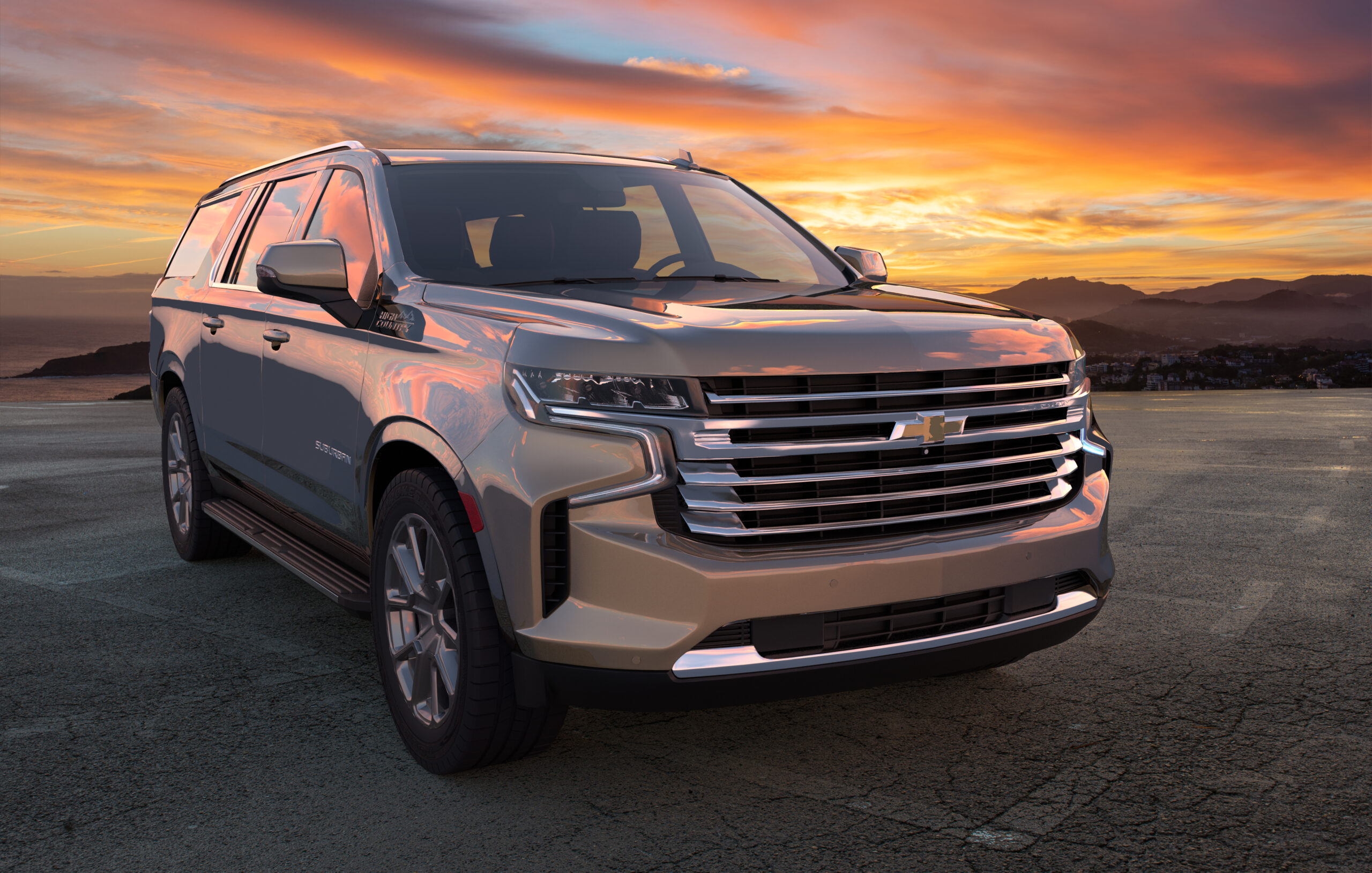
When shopping for used large SUVs, sticker price tells half the story. The Chevrolet Suburban often costs significantly less upfront than a comparably aged Mercedes-Benz GLS, BMW X7, or Audi Q7, though the gap varies by model year, trim, and mileage. That gap widens over three years of ownership when you factor in insurance premiums 40 percent lower, repair bills that are often substantially lower, and resale values that often remain competitive in the used market. For families needing eight seats and cargo capacity, the domestic workhorse delivers the lowest real cost of ownership by a margin that compounds annually.
This comparison uses estimated ownership expenses based on comparable used SUVs currently in stock at Major World, breaking down insurance, maintenance, repairs, fuel, and depreciation. The verdict: luxury badges cost $8,000 to $12,000 more per year to keep on the road, and that premium buys prestige, not practicality.
Insurance and Registration: Where the Gap Opens Widest
A 2019 Suburban may cost around $1,850 annually to insure in New York for some drivers with clean records, though rates vary significantly by location, carrier, and coverage levels. Comparable luxury SUVs often carry higher insurance premiums because of their replacement costs and repair expenses. Comprehensive and collision rates scale with replacement cost and theft risk, and German luxury three-rows sit in higher brackets across every major carrier. Over three years, that $750 to $900 annual difference adds $2,250 to $2,700 to total cost of ownership before you turn a wrench.
Registration fees in New York are partially influenced by vehicle weight, though the difference between these models is typically small relative to insurance and maintenance costs, so annual registration runs $140 to $165 regardless of badge. The insurance delta is where ownership costs diverge from day one, and it never closes.
Maintenance and Repairs: Parts Availability Decides the Winner
Routine maintenance on a Suburban costs roughly $450 per year for oil changes, filters, tire rotations, and brake inspections at independent shops. The GLS, X7, and Q7 require synthetic oil, longer service intervals that include software updates, and dealer-specific diagnostic tools that push annual routine costs to $850 to $1,100. A Suburban brake job often costs hundreds less than a comparable repair on a GLS due to parts pricing and labor complexity.
Major repairs widen the gap further. Water pump replacements and other cooling-system repairs are often significantly less expensive on a Suburban than on comparable German luxury SUVs. Suspension components, alternators, and HVAC blowers follow the same pattern: domestic parts cost half what German equivalents do, and Suburban parts are generally more widely available through aftermarket and independent repair networks, while some luxury-SUV components may require specialized sourcing.
Over three years and 45,000 miles, expect to spend $3,500 on Suburban maintenance and repairs versus $7,000 to $9,000 on the German trio. That $4,000 to $5,500 difference alone covers a year of car payments on many used vehicles.
Fuel Costs: Luxury Efficiency Gains Are Modest
The Suburban 5.3L V8 delivers 15 city / 20 highway mpg. The GLS 450 turbo inline-six gets 18 city / 23 highway. The X7 xDrive40i matches that at 18/23, and depending on model year and drivetrain, the Q7’s fuel economy generally falls within a similar range. At 12,000 miles per year (60 percent city driving) and $3.50 per gallon regular for the Suburban versus $4.00 premium for the Germans, annual fuel costs may fall around $2,500 for the Suburban and $2,240 to $2,350 for the luxury models.
The Germans save $200 to $280 per year on fuel, a modest offset against their $3,000+ annual penalty in insurance and maintenance. For buyers who prioritize total cost over pump visits, the Suburban’s thirst matters less than its parts availability and lower labor rates.
Depreciation: Domestic Holds Value in the Used Market
Used Suburbans often retain strong value because of continued demand from families, businesses, and fleet buyers. Luxury SUVs typically experience steeper depreciation as repair costs rise and the pool of used-car shoppers narrows.
When you buy used, you inherit the tail end of that curve. A three-year-old Suburban purchased at $46,000 will sell for $40,000 to $42,000 after three more years, a $4,000 to $6,000 loss. A three-year-old GLS bought at $63,000 drops to $50,000 to $53,000, a $10,000 to $13,000 hit. German luxury models depreciate faster in the 6-to-9-year-old range because repair costs scare off third and fourth owners, shrinking the buyer pool and softening resale.
The Suburban’s broad appeal, parts availability, and lower operating costs keep demand strong among families, contractors, and fleet buyers. That demand cushions resale values and reduces the total cost of a three-year ownership cycle by $5,000 to $8,000 compared to the German alternatives.
Total Three-Year Cost of Ownership Compared
Estimated ownership costs based on representative vehicles, average fuel prices, and typical maintenance patterns. Actual costs will vary.
| Expense Category | Suburban | GLS 450 | X7 xDrive40i | Q7 2.0T |
|---|---|---|---|---|
| Purchase Price (used, 3 years old) | $46,000 | $63,000 | $61,000 | $58,000 |
| Insurance (3 years) | $5,550 | $7,800 | $8,250 | $7,200 |
| Maintenance & Repairs (3 years) | $3,500 | $8,500 | $9,000 | $7,800 |
| Fuel (3 years, 36k miles) | $7,560 | $6,720 | $6,720 | $6,700 |
| Depreciation (3 years) | $5,000 | $11,500 | $10,500 | $9,000 |
| Total Cost | $67,610 | $97,520 | $95,470 | $88,700 |
Based on these estimates, the Suburban may cost substantially less to own over a three-year period. That gap covers a year of college tuition, a kitchen renovation, or the down payment on another vehicle. For buyers who need three rows, towing capacity, and space for gear, the domestic option delivers identical utility at two-thirds the total expense.
The Q7 with its smaller four-cylinder engine and lighter weight lands between the Suburban and the full-size Germans, but it still costs $21,000 more over three years while offering less cargo space and no third-row legroom advantage. The X7 and GLS trade places depending on repair luck, but both hover near $95,000 in total three-year cost, 40 percent above the Suburban.
Who Each Option Is For
The Suburban is the clear winner for families prioritizing space, reliability, and low operating costs. It seats eight comfortably, depending on configuration, it can tow up to 8,300 pounds, and costs less to insure, repair, and resell than any competitor. Buyers who drive 15,000+ miles per year, need a vehicle that most repair shops can service, or plan to keep the SUV beyond six years will save thousands choosing the domestic workhorse.
The GLS and X7 suit buyers who value brand prestige, cutting-edge tech, and a quieter cabin over total cost. Both offer air suspension, massaging seats, and interior materials a step above the Suburban. If you can apply for financing that spreads the premium across manageable payments and you prioritize the driving experience over the spreadsheet, either German flagship delivers. Expect ownership costs to be noticeably higher than a comparable Suburban, particularly when insurance, maintenance, and depreciation are factored in.
The Q7 splits the difference but compromises on space. Its third row is tighter than the Suburban’s, and cargo capacity behind the third row is half. It costs less than the GLS or X7 but still runs $7,000 per year more than the Suburban in total ownership expenses. For buyers who need luxury features but not full-size dimensions, it is a reasonable middle ground, though most families needing eight real seats will find the Suburban more practical.
Browse our full inventory of used large SUVs to compare current pricing and mileage across all four models. Total cost of ownership favors the Suburban by a margin that grows with every oil change, insurance renewal, and year of depreciation.
Share This Post, Choose Your Platform!
Related Posts
Related Post
 The Specific Things That Break on a City-Driven Used BMW X5
October 8, 2026
 Certified Pre-Owned vs. As-Is: What Actually Changes at Purchase
September 16, 2026
 Best Used Cars for Tall Drivers: 6’2″+ Headroom and Legroom
September 8, 2026
 Best Used Cars With Large Cargo Space for NYC Families
August 21, 2026


