

How to Spot Frame Damage in a Used Car Listing Before You Visit
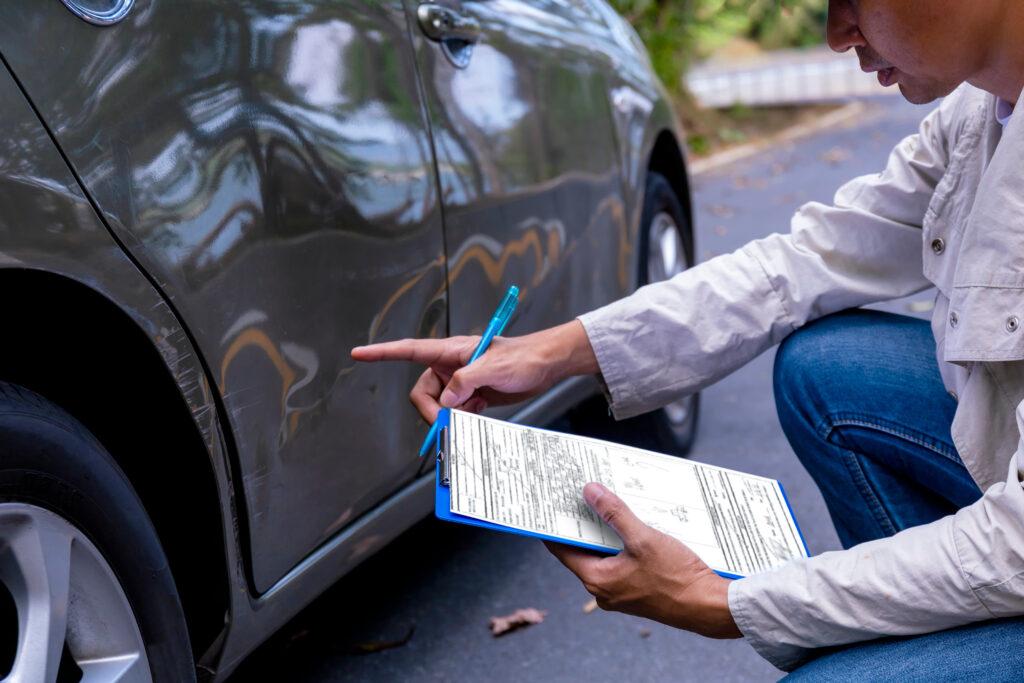
Frame damage is one of the most expensive problems you can miss when buying a used car, with repairs ranging from several hundred dollars for minor straightening to $10,000 or more for major structural work, and resale value potentially dropping by 30% or more. Most buyers wait until they are standing on the lot to look for it, but the sharpest shoppers start screening listings from home. A handful of visual tells and language patterns in photos and descriptions reveal structural issues before you ever schedule a test drive.
This guide walks through the specific photo clues, description keywords, and listing gaps that signal possible frame damage. You will learn what to look for in wheel gap symmetry, panel fit, and Carfax language so you can cross bad listings off your shortlist without leaving your couch.
Check Wheel Gap and Ride Height Symmetry in Every Listing Photo
Frame damage from a front or rear collision can leave one corner of the car sitting higher or lower than its opposite side. Scroll through every photo angle in the listing and compare the vertical distance between the top of each tire and the fender lip directly above it. On an undamaged car parked on level ground, the front-left and front-right gaps should look closely matched, and the same for the rear. If one front corner sits noticeably higher, the unibody or frame rail beneath that corner may be bent, though a sagging spring, worn suspension part, or low tire can create the same look.
Look for the three-quarter front and three-quarter rear shots that most dealers include. These angles make asymmetry obvious because you see two wheels at once. If the listing only has straight-on side shots or close crops that hide the wheels, that omission itself is a yellow flag. Legitimate sellers photograph the whole car because they have nothing to hide.
Also compare front ride height to rear. A car that sits noticeably nose-down or tail-down compared with other listings of the same model may have worn springs or, in more serious cases, a buckled subframe or damaged mounting points. Many sedans and crossovers have a slight factory rake, so compare the stance to photos of the same make and model rather than expecting it to sit perfectly level. A clear mismatch is worth asking about, even if the seller never mentions an accident.
Inspect Panel Gaps and Door Shut Lines for Misalignment
Factory panel gaps between the hood and fenders, doors and quarter panels, and trunk lid and bumper are remarkably consistent, typically 3 to 5 millimeters, depending on the make and model. Frame damage can pull or twist the mounting points, so repaired panels often don’t line up perfectly. In listing photos, zoom in on the gap along the top of the front fenders where they meet the hood. If the driver side gap is twice as wide as the passenger side, the fender was removed and reinstalled after frame straightening, or the frame itself is still twisted.
Check door shut lines next. The vertical gap between a front door and the B-pillar should be uniform top to bottom. A gap that flares wider at the top or bottom can mean the door or its opening is out of square. Also look at the horizontal line where the bottom of the door meets the rocker panel; if it angles up or down instead of running parallel to the ground, the rocker or floor pan may be bent.
Trunk and hatch fit tells the same story at the rear. If the trunk lid sits proud on one side or the gap is uneven left to right, the rear frame rails or trunk floor may be damaged. Sellers sometimes address this in photos by leaving the trunk or hood open in every shot, a tactic that hides misalignment. If you never see a closed-panel photo, request one before you visit.
Read Vehicle History Reports for Frame and Structural Language
Most reputable used car listings link to a free Carfax or AutoCheck report. Open it and search for the words “frame,” “structural,” “airbag,” and “total loss.” History reports can flag structural damage when it’s reported by insurers, police, or repair shops, so a report that says “structural damage reported” or “frame damage” means the car needs a professional inspection before you go any further. Keep in mind that not every accident gets reported, so a clean report doesn’t rule out frame damage. Even if the car was repaired and titled clean afterward, frame damage history means diminished value and possible safety risk.
Airbag deployment is another warning sign. Frontal airbags are typically designed to deploy in crashes comparable to hitting a solid barrier at about 8 to 14 mph, which can be enough force to bend unibody rails or subframes. If the report shows airbag deployment but the seller claims no frame damage, the car needs a professional pre-purchase inspection before you proceed. Also check for salvage, rebuilt, or flood titles; all three correlate with hidden structural issues that surface months after purchase.
Look at the repair facility names in the history. If the car went to a dealership body shop or a certified collision center after the accident, the frame was more likely straightened correctly. Repairs at an independent shop with no brand certification are not automatically bad, but they warrant closer scrutiny. If the report shows no accident history but the photos reveal misaligned panels, the car may have been repaired off the books to avoid an insurance record, a major red flag.
Decode Listing Descriptions for Evasive or Overly Vague Language
Sellers who know about frame damage don’t always state it directly; some use careful language that technically tells the truth while downplaying the severity. Phrases like “minor previous damage,” “cosmetic repair,” or “small accident, all fixed” are red flags when the photos show new paint or panel replacement. A truly minor accident usually does not require removing and reinstalling fenders or doors.
Watch for descriptions that mention “professional repair” or “body shop certified” without naming the shop or providing repair receipts. Properly documented repairs come with paperwork, and transparent sellers include it in the listing or offer it on request. If the seller says “drives straight, no issues” but does not address visible repair work in the photos, ask about it directly before you visit.
Also note what the listing does not say. If there is no mention of accident history or a vehicle history report, and the price is 10% to 20% below market for the year and mileage, the discount is covering undisclosed damage. Compare the asking price to similar listings; a deal that seems too good usually is.
Look for Fresh Paint, Overspray, and Mismatched Body Panels
Frame repair almost always involves repainting panels, and fresh paint stands out in photos if you know what to look for. Check for a mismatch in paint sheen between adjacent panels. If the front fenders look glossier than the doors, or the rear quarter panel is a slightly different shade of the same color, those panels may have been repainted. Compare several photos, since lighting can make the same paint look different from panel to panel. Zoom in on the area where the bumper meets the fender; overspray on black plastic trim or rubber seals is a telltale sign of a quick repaint that did not include proper masking.
Also inspect reflections in the paint. In outdoor photos, look at how the sky or surrounding objects reflect across body panels. A wavy or distorted reflection can indicate filler or poor bodywork underneath, which often accompanies frame straightening. Factory paint reflects cleanly and consistently.
Finally, compare panel texture. Some listings include close-up detail shots; if the surface of one fender looks slightly rougher or has a different orange-peel texture than the door next to it, that panel was refinished. Factories apply paint in controlled environments with consistent texture, so any variation means aftermarket work.
What to Do When You Spot the Red Flags
If a listing shows two or more of the indicators above, move it to your “inspect only with a mechanic” list or skip it entirely. Frame damage is not always a deal-breaker if the repair was done correctly and the price reflects it, but you need a professional pre-purchase inspection to verify the work. A qualified mechanic will put the car on a lift, measure frame dimensions against factory specs, and check for cracks in welds or subframe mounts.
When you are ready to shop with confidence, start with a dealer that provides transparent vehicle history reports and detailed photos for every listing. At Major World in Long Island City, our used inventory includes full disclosure on any prior damage, and our sales team answers questions about repair history before you visit. You can also apply for financing online to get pre-approved and focus your search on cars within your budget. Spotting frame damage from home saves you time and protects your investment, and buying from a licensed dealer adds a layer of accountability that private sellers and curbers cannot match.
Share This Post, Choose Your Platform!
Related Posts
Related Post
 Used AWD Cars Under $18,000 That Handle Northeast Snow Commutes
November 6, 2026
 The Cheapest Used Cars to Insure in NYC Cost Under $1,200 Yearly
October 20, 2026
 The Specific Things That Break on a City-Driven Used BMW X5
October 8, 2026
 Certified Pre-Owned vs. As-Is: What Actually Changes at Purchase
September 16, 2026


