

Buying a Used Car in Queens
Quick Answer
Buying from a Queens dealership gives you protections a private sale cannot: a required inspection within 30 days, legally mandated odometer and damage disclosures, financing and trade-in options, and the dealer handling all DMV paperwork. A private seller may list a lower price, but the sale is as-is with no warranty, so the real comparison is total ownership cost, not sticker price.
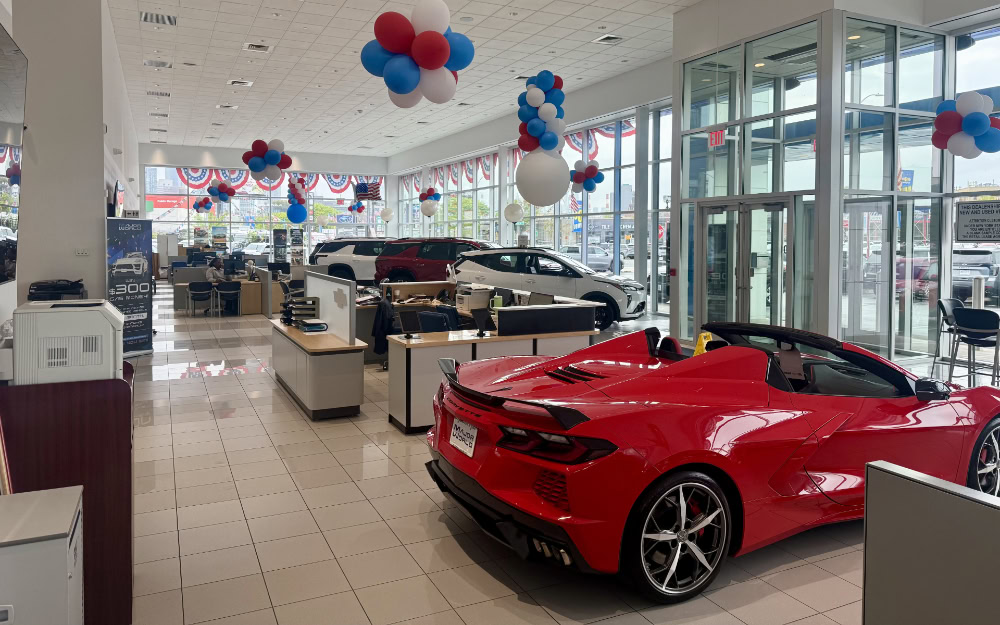
Buying a used car in NYC : why a dealership beats a private seller
Beginning with the fact that the purchase of a used vehicle in NYC involves much more than merely locating the lowest sticker price; it also entails a balance among the costs, risks, advantages of convenience, and protections afforded by law for people who need to rely on their vehicles daily. For example, there were 842,447 registered vehicles in Queens (in 2024) and thus, an automobile is essential for travel in Queens. Therefore, purchasing a used automobile at a dealership vs. from a private owner may be very significant.
Why Dealership Purchases Are Safer
The largest benefit of acquiring a used automobile from a dealership rather than from a private owner is protection. Typically all “used” automobiles acquired privately in New York will be sold “as-is”, and therefore typically do not have to correct issues that arise subsequent to the sale. By contrast, dealerships are governed by stricter rules regarding consumers. As such, pursuant to the NYC Used Car Consumer Bill of Rights , all prices must be posted clearly and each buyer must be disclosed the lowest possible interest rate. Additionally, under New York’s used-car lemon law, qualifying buyers have some level of limited warranty coverage on most dealership sales depending upon mileage and/or price.
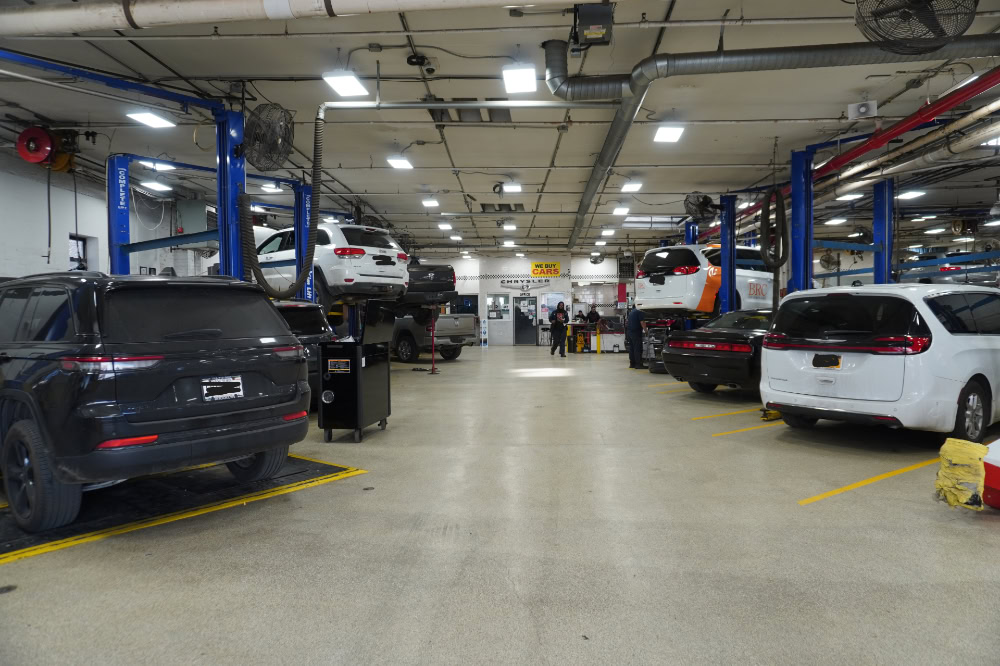
Dealership vs. private seller
| Dealership | Private Seller | Why It matters | |
|---|---|---|---|
| Protection | Many dealership sales offer to purchase an extended warranty | No warranty required by law. The sale is “as-is.” Buyer assumes all risk from the moment of purchase. | Dealership sales offer much better protection if something goes wrong. |
| Inspection quality | NYC dealers must inspect within 30 days of sale. Engine, brakes, electronics, safety equipment, and emissions all verified in writing. | No inspection required. The buyer must arrange and pay for an independent inspection. Mechanical history may be unknown or misrepresented. | A dealership inspection can catch hidden issues earlier. |
| Vehicle history | Full vehicle history available. Odometer and damage disclosures legally required. Dealers must certify roadworthiness in writing. | Relies entirely on seller honesty. Odometer fraud and undisclosed accidents are common risks. No certified documentation required. | This helps reveal accidents, salvage titles, or flood damage. |
| Financing | Flexible financing plans, leasing, and trade-in options. NYC dealers must disclose the lowest APR available , protecting buyers from predatory rates. | Full payment typically required upfront. Buyer must independently arrange financing, often at less favorable terms. | Dealership financing can simplify the purchase process. |
| DMV & paperwork | The dealer handles title transfer, registration, odometer disclosures, and all DMV paperwork. Fast and professionally managed. | The buyer and seller must handle all paperwork independently. Title transfer errors can create legal liability. Time-consuming and error-prone. | This saves time and reduces hassle. |
| Trade-In | An old vehicle can often be traded in toward the purchase price, simplifying the overall transaction. | No trade-in option. The seller must independently sell their old car first. | |
| Price | Typically higher due to overhead, inspection costs, and compliance. There’s room for negotiation. | Generally, a lower sticker price. More room for direct negotiation. Can offer better deals for experienced buyers. | A lower sticker price can be misleading if repairs are needed. The real comparison is total ownership cost. |
| Fraud risk | Lower, though not zero | Higher, including curbstoning | Queens buyers should be careful with suspicious listings. |
| After-Sales Support | Dealership service centers with highly qualified mechanics are available for ongoing maintenance. | Zero after-sales support. All problems are the buyer’s sole responsibility from day one. | Buying from a dealership gives you peace of mind that the car has gone through due process, and if anything goes wrong, you can use the qualified mechanics at the service centers. |
What Gets Inspected
Another large benefit of using dealership inventory is being able to have your vehicle inspected. Prior to being placed on a dealership’s lot, most vehicles are typically examined by a team of highly skilled technicians. And while certified pre-owned vehicles will undergo a checklist (typically ranging from 100 to 300 inspection items), based upon the program, this allows consumers in Queens (where daily traffic, and long bridge commutes create a high amount of wear and tear) a greater sense of security knowing their new vehicle was previously assessed by a professional.
The Paperwork
Additionally, shopping at a dealership provides convenience. Many dealerships handle the title and registration processes for customers, saving them time. This can be particularly beneficial in New York, as the process of completing DMV paperwork is known to be lengthy and frustrating.
While a private seller may offer a lower purchase price than what is available at a dealership; once additional costs such as hiring an independent inspector to evaluate the vehicle, waiting in line to complete the necessary DMV paperwork, along with losing warranty protection after the sale occurs, the savings gap can narrow rapidly. Therefore, the lowest priced vehicle on paper does not necessarily equate to the least expensive vehicle to maintain.
Concerns Specific To Queens
Queens also experiences a problem referred to as “Curbstoning”, where experienced auto wholesalers disguise themselves as private sellers, thereby avoiding state consumer protections. As a result, purchasing from private parties in Queens may come with increased risk, especially if the price appears too good to be true or the seller appears too anxious to finalize the sale.
Local driving conditions are also important. Commuter routes with high traffic and busy bridges or tunnels can cause stop-and-go wear to a used car. A professionally inspected used car will provide a much more reliable option than a non-inspected private sale in these situations.
For Buyers
A buyer may find a lower purchase price from a private seller, however, the savings may quickly disappear after adding up the inspection costs, paperwork and the lack of warranty protection. Dealership vehicles usually have higher prices at the beginning, however, dealerships will generally disclose information about the vehicle’s history (or issues), oversee the sales process and protect the consumer in case the vehicle has defects. For most Queens consumers, particularly those who rely on their cars each day, purchasing through a dealership provides both safety and reliability.
Share This Post, Choose Your Platform!
Related Posts
Related Post
 Certified Pre-Owned vs. As-Is: What Actually Changes at Purchase
September 16, 2026
 Best Used Cars for Tall Drivers: 6’2″+ Headroom and Legroom
September 8, 2026
 Best Used Cars With Large Cargo Space for NYC Families
August 21, 2026
 Best Used Pickup Truck for NYC: The 2017-2020 Ford F-150 XL Fits
August 14, 2026


