

Used Cars Under 70 Inches Wide for Brooklyn Parking

Brooklyn drivers know the drill: you circle the block for 20 minutes, spot a space that looks promising, pull up, and realize your crossover is three inches too wide to squeeze between a fire hydrant and someone’s bumper. The math is brutal. Most modern SUVs measure 72 to 78 inches wide, but the usable width of a parallel parking spot on streets like Court Street or Fifth Avenue in Park Slope rarely leaves more than about 74 inches once you account for the curb angle and door clearance.
The solution is not better parking skills. It is a narrower car. Vehicles measuring under 70 inches wide give you a legitimate two-to-three-inch buffer on each side in tight Brooklyn spots, turning impossible spaces into routine parks. This post identifies which used cars hit that sub-70-inch width, plus a few that miss it by less than an inch, while still offering practical cargo space, winter traction options, and the ground clearance to handle potholed streets without scraping.
Why 70 Inches Is the Brooklyn Parking Threshold
The 70-inch width cutoff is not arbitrary. Standard parallel parking spaces in residential Brooklyn measure 22 feet long by 8 feet wide on paper, but effective width shrinks fast. A typical curb adds 6 inches of unusable space. If the car ahead or behind parks at even a slight angle, you lose another 4 to 6 inches. Door swing clearance requires at least 10 inches on the driver side if you want to exit without contorting.
Run the numbers: 96 inches (8 feet) minus 6-inch curb minus 6-inch angle buffer minus 10-inch door clearance leaves 74 inches of usable width. A roughly 73-inch-wide CR-V or RAV4 fits, but barely, and only if both neighboring cars parked perfectly straight. A 69-inch-wide 2012 to 2015 Civic leaves you 5 inches of margin, enough to park confidently without a spotter.
This matters most in brownstone neighborhoods (Carroll Gardens, Cobble Hill, Clinton Hill) where street parking predates modern vehicle dimensions. Newer developments in Williamsburg or Greenpoint sometimes offer wider spaces, but you can’t count on it. The narrower your car, the more spots become viable.
Sedans and Hatchbacks Under 70 Inches
Compact sedans dominate the sub-70-inch category. The Honda Civic measures 70.8 inches wide in most model years from 2016 to 2021, just over the threshold, but the Toyota Corolla checks in at 69.9 inches (2014 to 2019 generations). The Mazda3 sedan and hatchback both measure 70.7 inches, close enough to qualify. The Hyundai Elantra sits at 70.9 inches in the 2017 to 2020 generation, slightly wider but still manageable.
If you need maximum narrowness, older models shrink further. The 2012 to 2015 Honda Civic measures 69.0 inches wide. The 2009 to 2013 Toyota Corolla comes in at 69.3 inches. These older compacts sacrifice some modern safety tech and fuel economy, but they park like go-karts in Brooklyn.
| Model | Years | Width (inches) | Cargo Volume (cu ft) |
|---|---|---|---|
| Toyota Corolla | 2014-2019 | 69.9 | 13.0 |
| Honda Civic Sedan | 2012-2015 | 69.0 | 12.5 |
| Mazda3 Sedan | 2014-2018 | 70.7 | 12.4 |
| Hyundai Elantra | 2017-2020 | 70.9 | 14.4 |
Hatchbacks offer more versatility. The Mazda3 hatchback (2014 to 2018) measures 70.7 inches wide with 20.2 cubic feet of cargo space behind the rear seats. The Honda Fit, discontinued after 2020, measures just 67.0 inches wide and packs 16.6 cubic feet of cargo in a footprint smaller than most sedans. Used Fits from 2015 to 2020 are rare but worth hunting for Brooklyn parking situations.
Crossovers That Squeeze Under 70 Inches (Barely)
Most crossovers blow past 72 inches, but a few older subcompact models stay narrow. The 2011 to 2017 Nissan Juke measures 69.5 inches wide, making it one of the narrowest crossovers ever sold in the U.S. The quirky styling polarizes buyers, but the high seating position and 35.9 cubic feet of cargo (rear seats folded) beat any sedan for Brooklyn errands.
The Mazda CX-3 (2016 to 2021) measures 69.6 inches wide, just over the threshold but still narrower than a CR-V by more than three inches. It offers all-wheel drive as an option, useful for winter traction on unplowed side streets. Cargo space is tight at 12.4 cubic feet with seats up, 44.5 cubic feet folded.
If you need more space without moving into 72-inch-plus widths, look at the Honda HR-V. It measures 69.8 inches wide (2016 to 2022 first generation), technically under 70 inches and offering up to 24.3 cubic feet of cargo with seats up. This is the sweet spot for Brooklyn drivers who need crossover practicality without crossover width. Check available inventory for current HR-V stock.
Winter Traction Without Extra Width
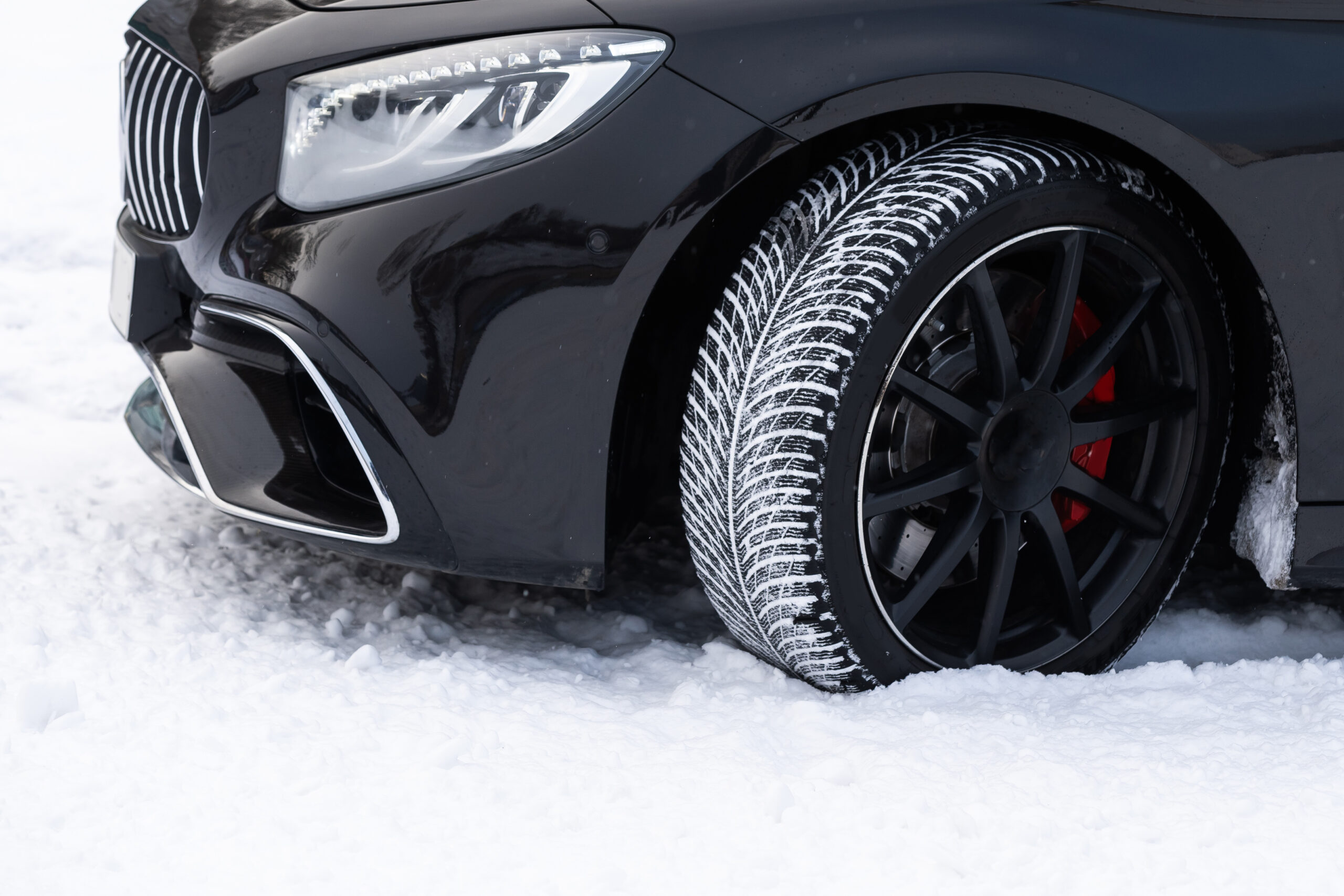
Brooklyn winters mean occasional snow and frequent ice, but most narrow cars come front-wheel drive only. That is fine with good all-season or winter tires. Front-wheel drive handles snow better than rear-wheel drive, and the weight distribution in compact sedans keeps the drive wheels planted.
If you want all-wheel drive under 70 inches, options shrink to nearly zero in the used market. The Subaru Impreza sedan and hatchback measure 70.0 inches wide (2017 to 2023), just over the cutoff, but the all-wheel-drive system and 5.1 inches of ground clearance handle snow and potholes better than any front-drive sedan. The width penalty is minimal compared to the traction gain.
Alternatively, buy a narrow front-drive sedan and invest in a set of winter tires. A Corolla on Blizzaks can out-handle an all-wheel-drive CR-V on all-seasons in snow, and you keep the 69.9-inch width advantage year-round.
Ground Clearance and Pothole Survival
Narrow sedans typically offer 5 to 7 inches of ground clearance, enough for most Brooklyn streets but marginal on pothole-cratered stretches of Atlantic Avenue or the BQE service roads. The 2016 to 2021 Honda Civic offers about 5 inches, the 2014 to 2019 Corolla up to 6.7 inches. These numbers work fine if you drive cautiously over bad pavement.
Crossovers add an inch or two. The Nissan Juke offers 7.0 inches of ground clearance, the Mazda CX-3 6.1 inches, the Honda HR-V 6.7 to 8.2 inches depending on trim. The extra clearance matters more in winter when ice chunks and slush piles narrow lanes unpredictably.
If you frequently drive streets with severe potholes (looking at you, Bushwick), prioritize ground clearance and wheel size. Smaller wheels (16 or 17 inches) with taller tire sidewalls absorb impacts better than low-profile 18-inch setups. Many used Corollas and Civics come with 15- or 16-inch wheels on base trims, a practical advantage over sportier trims.
Finding Sub-70-Inch Used Cars at Major World
Major World in Long Island City stocks a rotating selection of compact sedans and crossovers ideal for Brooklyn parking. The Queens location is a straight shot from Brooklyn via the BQE or Pulaski Bridge, and the lot layout lets you compare dimensions side-by-side before committing.
When shopping, bring a tape measure and verify width yourself. Manufacturer specs sometimes round up or down, and aftermarket mirrors or spoilers can add width. Park the car in a space similar to your home block to test real-world fit. If you need financing, apply online before visiting to streamline the process.
Narrow cars hold value in Brooklyn because demand stays high. A used Civic or Corolla in good condition sells quickly, so if you find one under 70 inches wide with reasonable mileage, move fast. The parking advantage alone justifies the premium over wider alternatives.
Share This Post, Choose Your Platform!
Related Posts
Related Post
 How to Spot Frame Damage in a Used Car Listing Before You Visit
November 16, 2026
 Used AWD Cars Under $18,000 That Handle Northeast Snow Commutes
November 6, 2026
 The Cheapest Used Cars to Insure in NYC Cost Under $1,200 Yearly
October 20, 2026
 The Specific Things That Break on a City-Driven Used BMW X5
October 8, 2026


